
Real Estate Developer Behind Wall Street’s Lenin Statue Is Betting Big on Vietnam’s First Global Whisky Brand
Vanguard Executive Profile, July 15th, 2026
—Nam Nguyen, Vietnam Vanguard
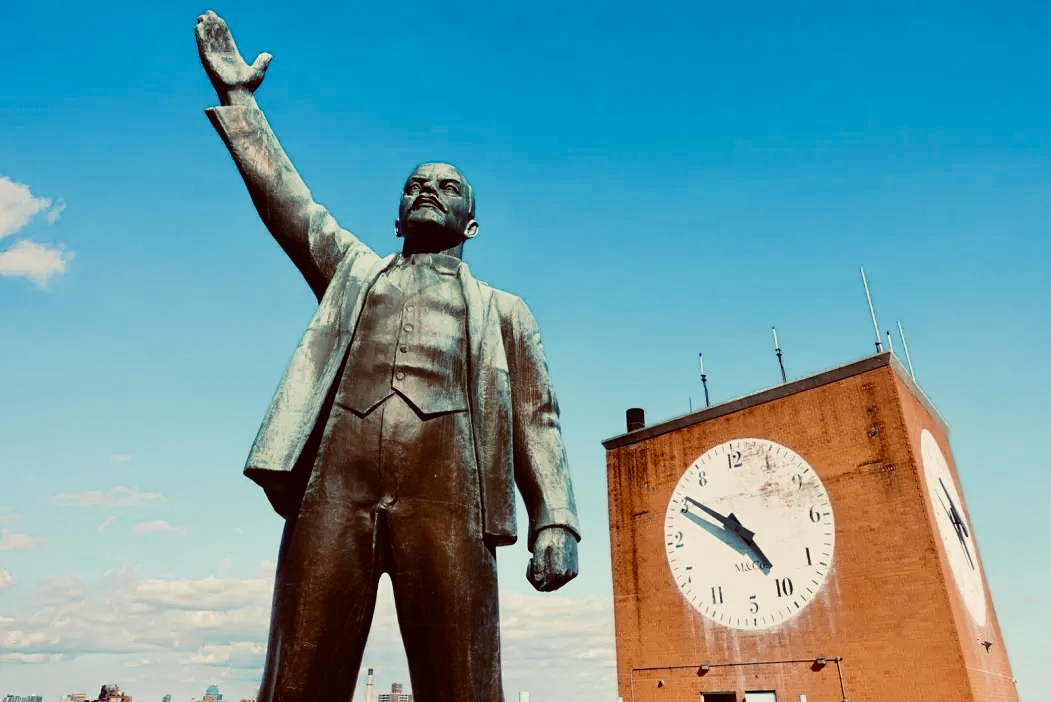
In the spring of 1989, a crane lowered an eighteen-foot bronze statue of Russian revolutionary Vladimir Lenin onto the roof of a thirteen-story red brick building at the corner of Houston and Essex, on Manhattan's Lower East Side. The arm was raised in a fixed, permanent salute, aimed south, directly at Wall Street, less than three miles away.
Ronald Reagan had spent the decade calling the Soviet Union an evil empire. The Berlin Wall was still standing. Moscow was still, to most of New York, the enemy.
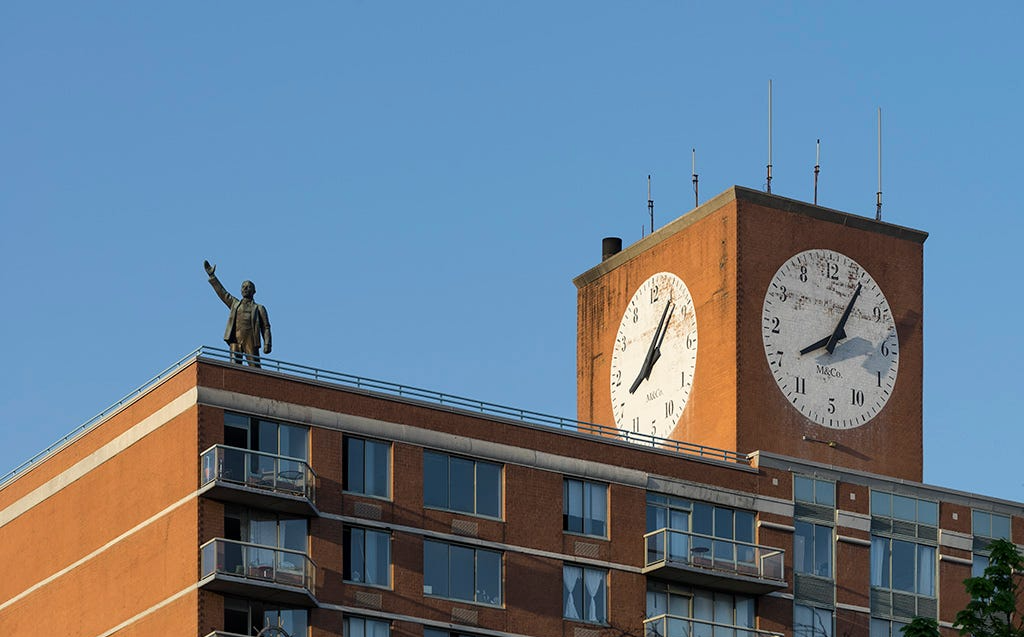
Statue of Vladimir Lenin faces Wall Street from atop the Red Square building at 250 East Houston Street in New York City’s East Village.
The building's developer, a former Marxist anthropology professor turned real estate financier named Michael Rosen, had named it Red Square, and he meant the statue as exactly the provocation it looked like.
New York noticed. That was the point. Rosen has spent the five decades since building things — buildings, funds, agricultural conglomerates, and now casks of whisky — designed to make people look twice.
I meet him in a coffee shop in Hanoi's Old Quarter, on a low plastic stool at the edge of the pavement, motorbikes passing close enough to stir the napkins on the beaten, old, rustic wooden table. It's the tail end of summer — the heat has broken slightly, though "slightly" in Hanoi still means the ice in the cà phê sữa đá is gone within ten minutes.
Rosen is in faded raw denim, a fedora set back on his head — Japanese selvedge, the kind that's sold stiff and left to fade and crease on its own until the pattern belongs to no one else. By the end of two hours it's clear his opinion about denim isn't really about denim.
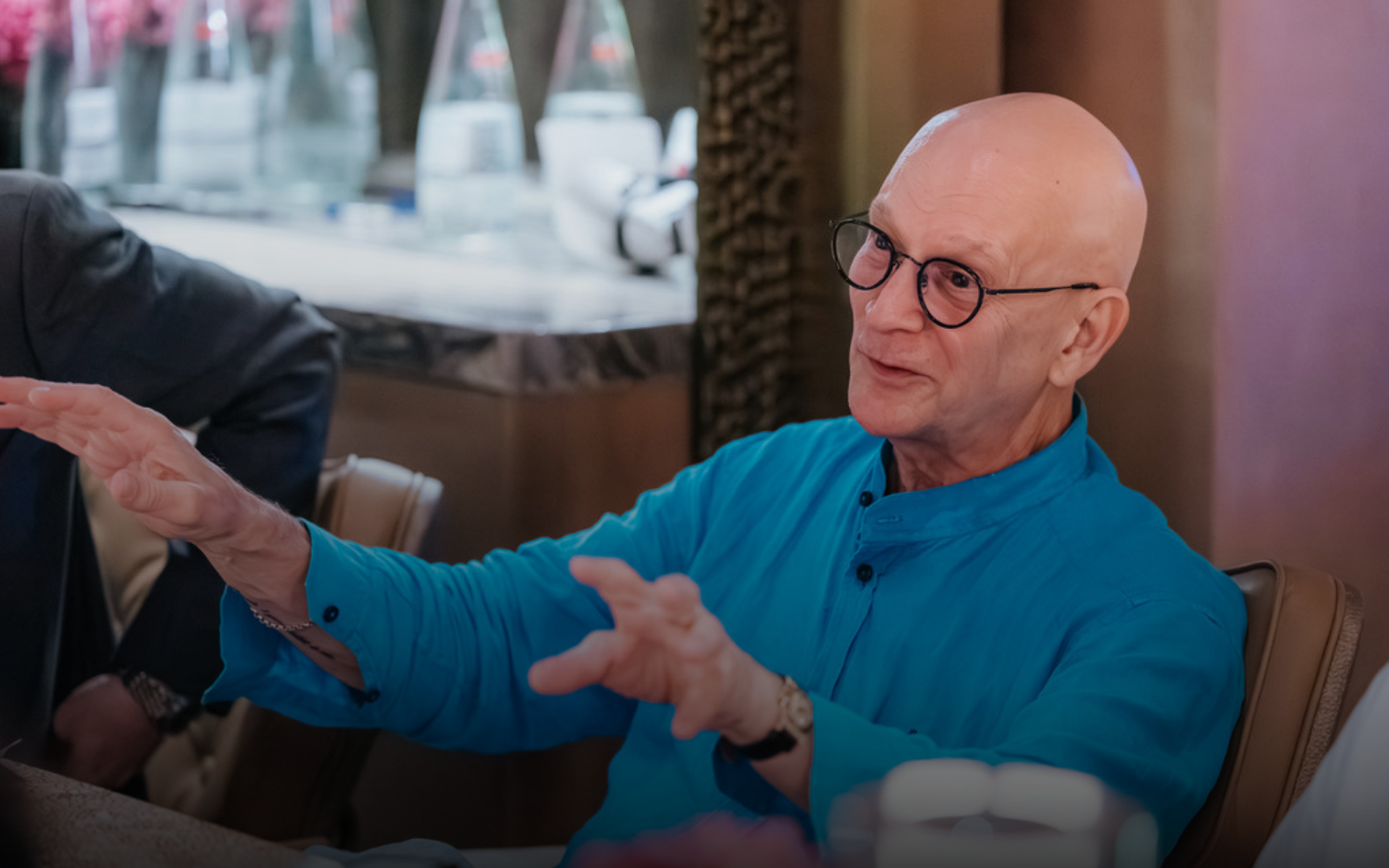
Michael Rosen at a private dinner by Vietnam Vanguard in Ho Chi Minh City.
He is, at 70, on his fourth or fifth career, depending how you count. Rosen doesn't build the raw material. He never has.
What he builds, over and over, is the structure that makes scattered, underpriced material legible to someone else: a market, an institution, a family.
That's what he did with a jumble of small Vietnamese agricultural companies in 2012, when he built PAN Group into a story international capital could price (more on this later).
It's what he's doing now, at a much smaller and riskier scale, with Về Để Đi, the single malt distillery he founded in Hanoi in 2020 — Vietnam's first, and so far only, entry into a category of hot-climate whisky that Taiwan and Israel have already proven can compete with Scotland.
Vietnam imports $440 million of whisky a year and, until Rosen showed up, produced none of its own.
An unusual set of degrees
Before any of that, Rosen was an academic — by his late twenties he held three graduate degrees from Wharton: a PhD, an MBA, and a master's in anthropology, and taught the subject at NYU.
That same anthropological instinct is what shapes how he talks about Về Để Đi today. "Being real," he has said of the brand. "That means not building an identity based on myths and cultural costumes but on real life in real Vietnam... We're real. We've put together a team of real people making stunningly good liquids." Same argument, moved from a lecture hall into a distillery.
An interest in how people build communities led him out of the lecture hall and into real estate. Red Square, finished in 1989, was his best-known project and, in his own telling, close to the end of his interest in the business. "If I built another building, it would just be another building," he says. "It could be taller, nicer, more units. But then what?" Real estate turned out to be dull precisely because it was solid. "You touch it, and it just sits there."
He found something he liked better in the money moving through Wall Street below: motion.
He worked as an investment analyst, then ran his own fund. In 2000, he bought Continental Information Systems, a bankrupt public shell still holding real cash, and rebuilt it into an early fintech company around T1X — a trading platform built for Wall Street's planned shift in securities settlement from T+3 to T+1.
Wall Street and the boredom that quickly followed
"Wall Street turned out to be the easiest and least interesting part of my career," Rosen says. "People mythologize investment banking, like every banker is a brain surgeon. It's really closer to selling shoes. You're just selling an idea."
A line he still uses about himself — except now, for the first time, the shoe he's selling is his own.
He also hadn't let go of Red Square. He wanted to add a second statue, matching the Lenin in scale, of Hồ Chí Minh — facing Harlem, where Hồ was rumored to have lived during his time in New York.
The statue never arrived. Instead, people kept introducing him to Vietnamese finance rockstars: first Lê Hoài Anh, former Credit Suisse representative in Vietnam, and younger brother of the current Minister of Foreign Affairs, Le Hoai Trung, then later Nguyễn Duy Hưng of SSI Securities.
Neither was much interested in bronze statues, and Rosen wasn't especially interested, at the time, in a Vietnamese capital market still in its infancy. It would take two more decades, and two more collapses, before that introduction turned into anything.
Rosen admits to being easily distracted, with emotions that can outrun his better judgment. He now suspects undiagnosed ADHD long before the term was common.
And yet one thread never broke in this man: a fixation on finding small, almost sacred moments of human decency inside a short and often brutal history — people building something honest together, then sitting down to share it.
The thing that has run alongside that search for decades, he only realized much later, is whisky.
Where the whisky habit started
Rosen's relationship with single malt goes back to his years as a young scholar, shuttling between European academic conferences, where long debates would end, again and again, around a bottle of single malt.
One night, when Red Square was still an unfinished concrete frame, he carried a bottle of Glenlivet up to the roof with the woman he loved and drank it under the open sky. A thought lodged there and never left: someday, he would make whisky himself.
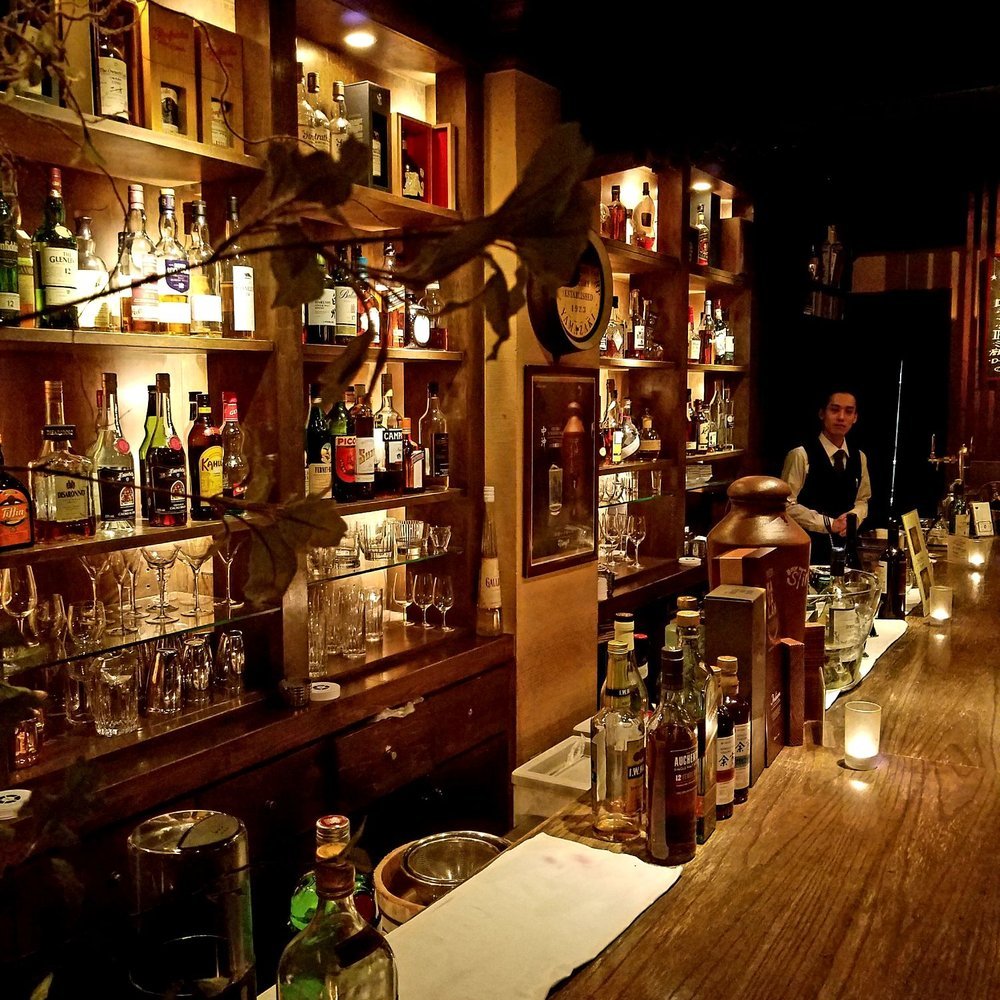
Years later, his son Ripton flew to meet him in Hong Kong, the two took a bonding trip to Japan, then ended up at a small bar in Shinjuku (Tokyo), working through half-drams — Highlands, then Speyside, finally a Lagavulin from Islay. By the end of the night Rosen realized father and son had just drunk their way through a century of whisky history in a single sitting.
That idea had already been buried twice. CIS and its T1X platform were headquartered at what became Ground Zero; September 11 flattened the building and shelved the T+1 transition, taking most of Rosen's net worth with it. He moved to Hong Kong, founded Brighton Energy, and spent close to a decade chasing nuclear power projects across Asia — until the 2011 Fukushima earthquake and tsunami froze nuclear investment overnight.
Adrift again in Hong Kong, a short flight from Vietnam, Rosen finally thought back to Nguyễn Duy Hưng.
"God bless him, he'd kept the offer open," Rosen says, laughing.
Building stories that let capital see the asset
From 2012, Rosen spent six months at SSI, then moved to PAN Group as CEO and Vice Chairman, raising roughly $70–80 million to turn seven or eight disconnected small agricultural companies into a single business with a growth story capital could actually understand. "The philosophy behind building the business, and how you tell that story to investors — what I'd call the shoe-selling part — that was mine," Rosen says.
Three years later he took on GTN Group, raising roughly $80–85 million to build it into a food and agriculture group anchored by Mộc Châu Milk and VinaTea. In late 2019, Vinamilk acquired a majority stake in GTN at VND 22,800 a share, implying a valuation of roughly $250 million — Rosen's shoes, once again, finding a buyer.
The same instinct is now pointed at a barrel of single malt instead of a portfolio company.
Both are investment products, in a sense — they just happen to appreciate sitting still and getting better with time.
A $440 million market, and not one domestic drop
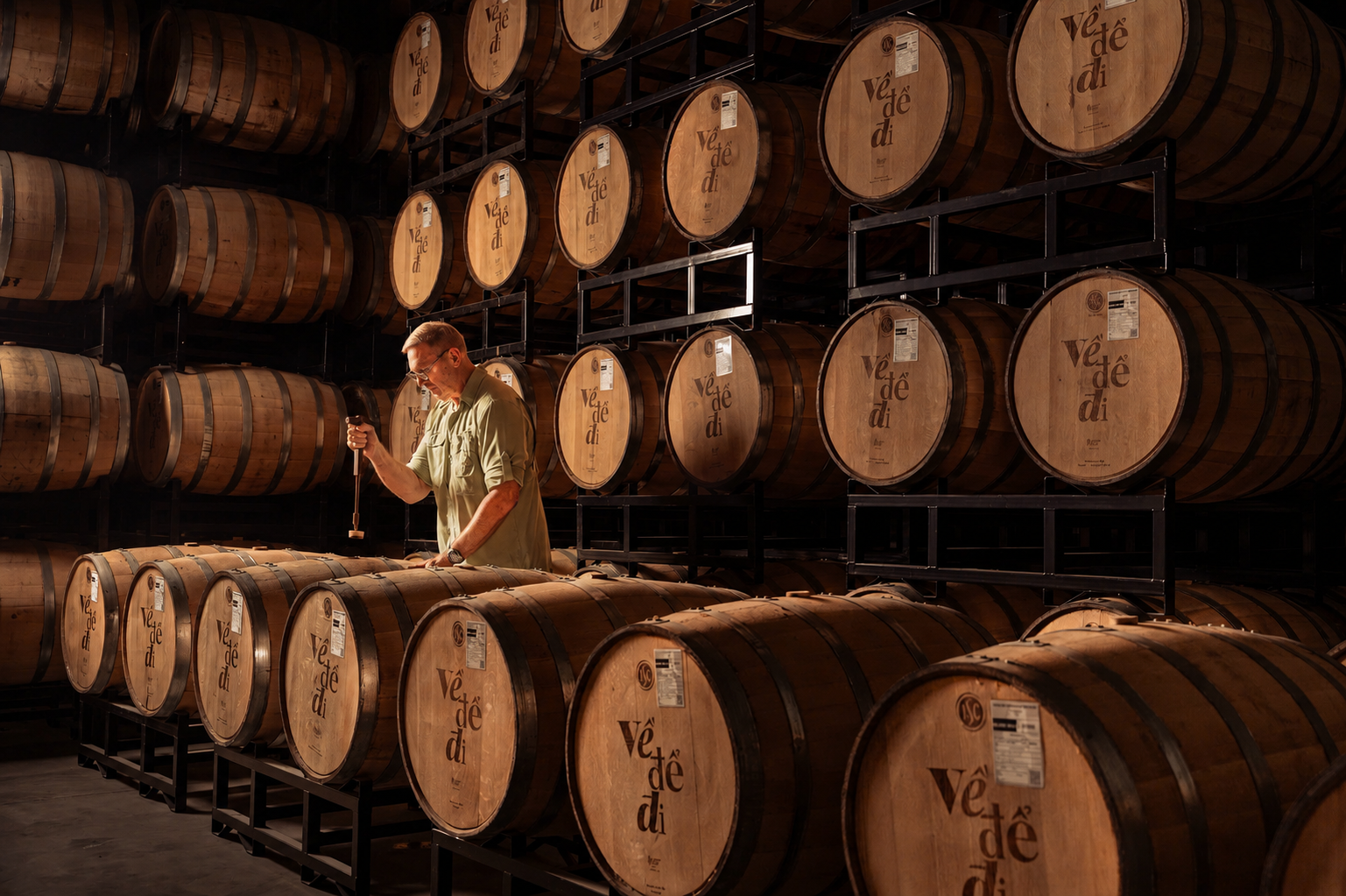
In 2020, Rosen founded Về Để Đi, Vietnam's first full-scale single malt distillery. "I had always wanted to make whisky and ended up in Vietnam," Rosen has said, "and realized there wasn't a whisky distillery here."
Rosen credits Vietnam's punishing climate with accelerating maturation. He has a tea metaphor for it: "You can't make tea in cold water — it never releases the leaf's flavor. Ours hits 44 degrees, and that pulls more out of the barrel."
There's real precedent: Taiwan's Kavalan and Israel's Milk & Honey each took roughly a decade to prove hot-climate whisky could beat Scotland at its own game.
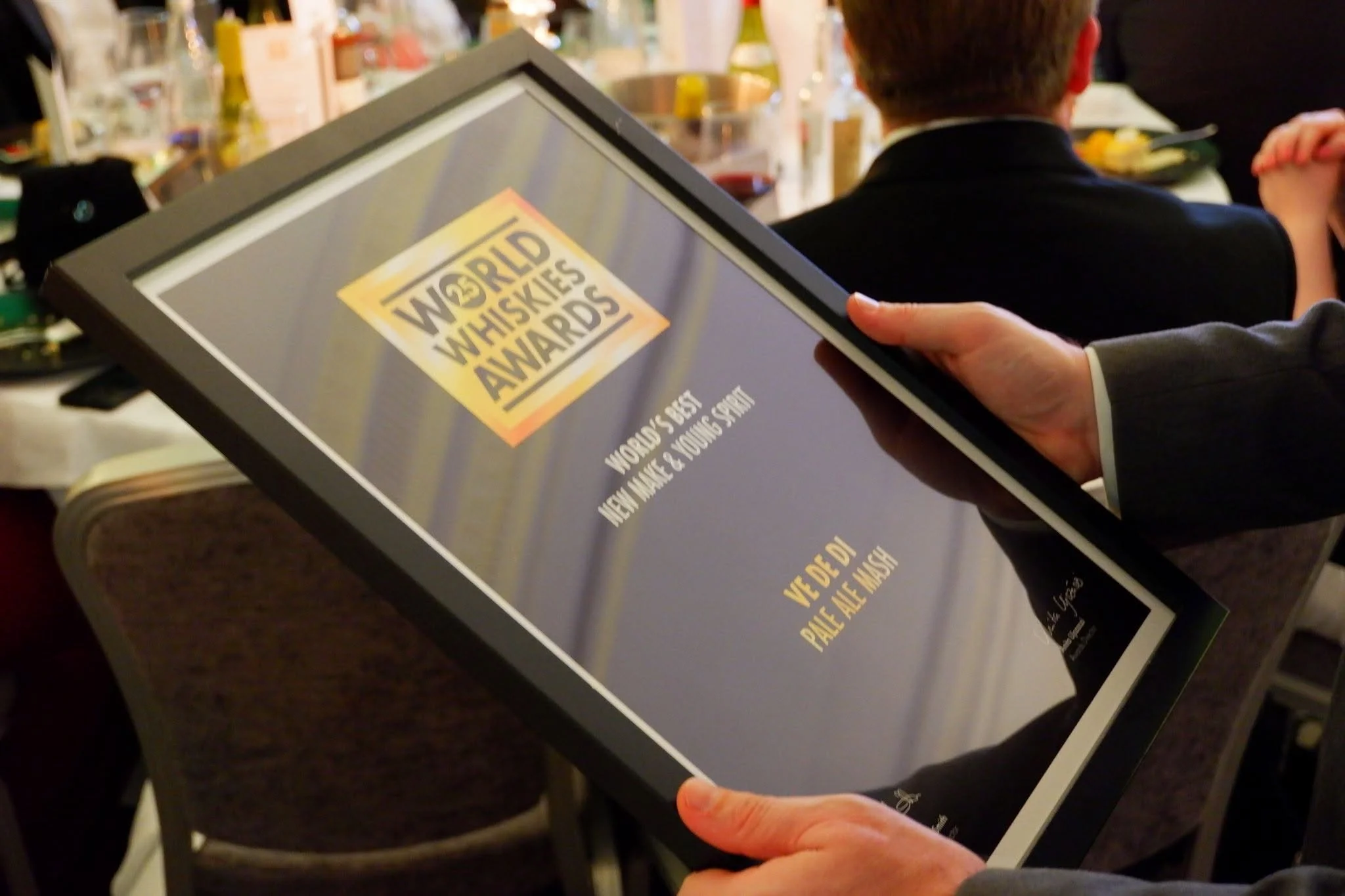
Về Để Đi, five years in, already won World's Best New Make & Young Spirit at the 2025 World Whiskies Awards — a category for unaged spirit, not the mature single malt its benchmarks actually conquered.
It's still sold only domestically.
Vietnam hasn't proven it can grow its own barley at scale yet — Về Để Đi's first homegrown crop was wiped out by a typhoon, forcing a return to imports from Australia and Germany. "We're replanting," Rosen says. "Barley's the queen of grains — it dances with wood in a way other spirits never quite manage."
There's a policy risk underneath it, too: Vietnam has proposed raising the special consumption tax on alcohol to 100% by 2030, cutting against the same premium domestic manufacturing it says it wants more of. But the market itself is real — worth roughly $440 million and growing nearly 26% a year, with imports up 375% in 2023 alone.
Before Về Để Đi, essentially none of that was produced inside the country. Kavalan and Milk & Honey both needed a decade to reach the world stage; Về Để Đi got there in five. If the same hot-climate logic holds, the harder work now is distribution and scale — not whether the product itself is real.
Back at the coffee shop, the ice has long since melted, and Rosen is still talking — about barley, about a typhoon, about how close the next award is. The raw denim, still stiff in places, hasn't finished aging into whatever pattern it will eventually take, and he doesn't seem to mind; that's the point of raw denim.
Rosen has spent fifty years proving one formula, and it has a strong track record. Về Để Đi is his boldest bet on that formula yet, in a market that's already proven it wants what he's selling. This time, the shoe just happens to be his own — and on the evidence so far, he's built enough of them, the right way, often enough, to be worth betting he finishes this one too.
— Nam Nguyen, Vietnam Vanguard
July 15th, 2026