
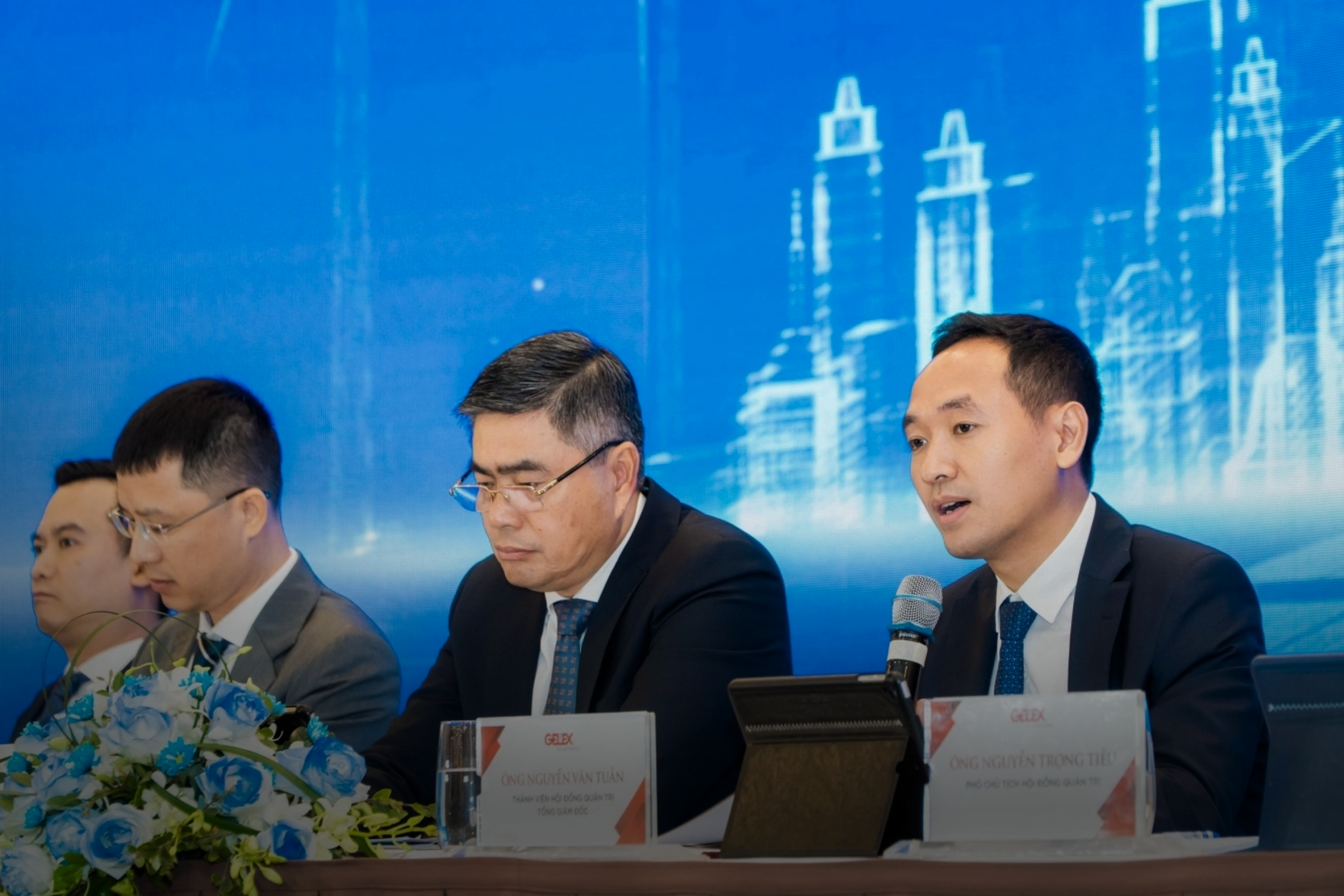
The New Face of Vietnamese Capital
As Vietnam’s private conglomerates mature, the challenge shifts from expansion to disciplined capital allocation. GELEX reflects this transition.
Vanguard Editorial Board
3rd March 2026

GELEX and the Evolution of the Industrial Holding Model
Vietnam’s first generation of private conglomerates grew in step with domestic expansion.
Following Đổi Mới, land and assets were repriced under market mechanisms. Urbanization accelerated. Consumer markets expanded. Credit deepened. Many of the country’s largest private groups were built on these foundations, real estate, retail, tourism, financial services, sectors closely tied to domestic asset appreciation and consumption cycles.
A second wave is now taking shape.
Instead of focusing primarily on consumer-facing sectors, a new cohort of private capital is building positions in foundational industry: industrial parks, utilities, infrastructure, advanced manufacturing platforms. These are longer-duration assets, often capital-intensive, more exposed to macro cycles, and structurally embedded in Vietnam’s integration into global supply chains.
GELEX offers a clear illustration of this transition.
From Industrial Consolidation to Capital Architecture
GELEX began in 1990 as a state-owned consolidation platform for electrical equipment manufacturers, including CADIVI and THIBIDI. For years, it operated as a stable but relatively conventional industrial enterprise, strong brands, predictable demand, modest margins.
The inflection point came in 2015, when the Ministry of Industry and Trade divested a controlling stake. Soon after, Nguyen Van Tuan assumed executive leadership and later the chairmanship.
What followed was not simply operational restructuring. It was a redesign of corporate architecture.
GELEX transitioned into a holding model. The electrical equipment segment was reorganized under GELEX Electric, preserving a steady manufacturing cash-flow base. Parallel to this, the group began expanding into infrastructure assets, renewable energy during the feed-in tariff period, water utilities, and most significantly, the acquisition of control in Viglacera in 2021.
Viglacera’s strategic importance lies not merely in building materials, but in its industrial park land bank, assets closely linked to foreign direct investment flows and supply chain relocation into Vietnam.
With this move, GELEX evolved from a manufacturing-centric enterprise into an integrated industrial and infrastructure holding platform.
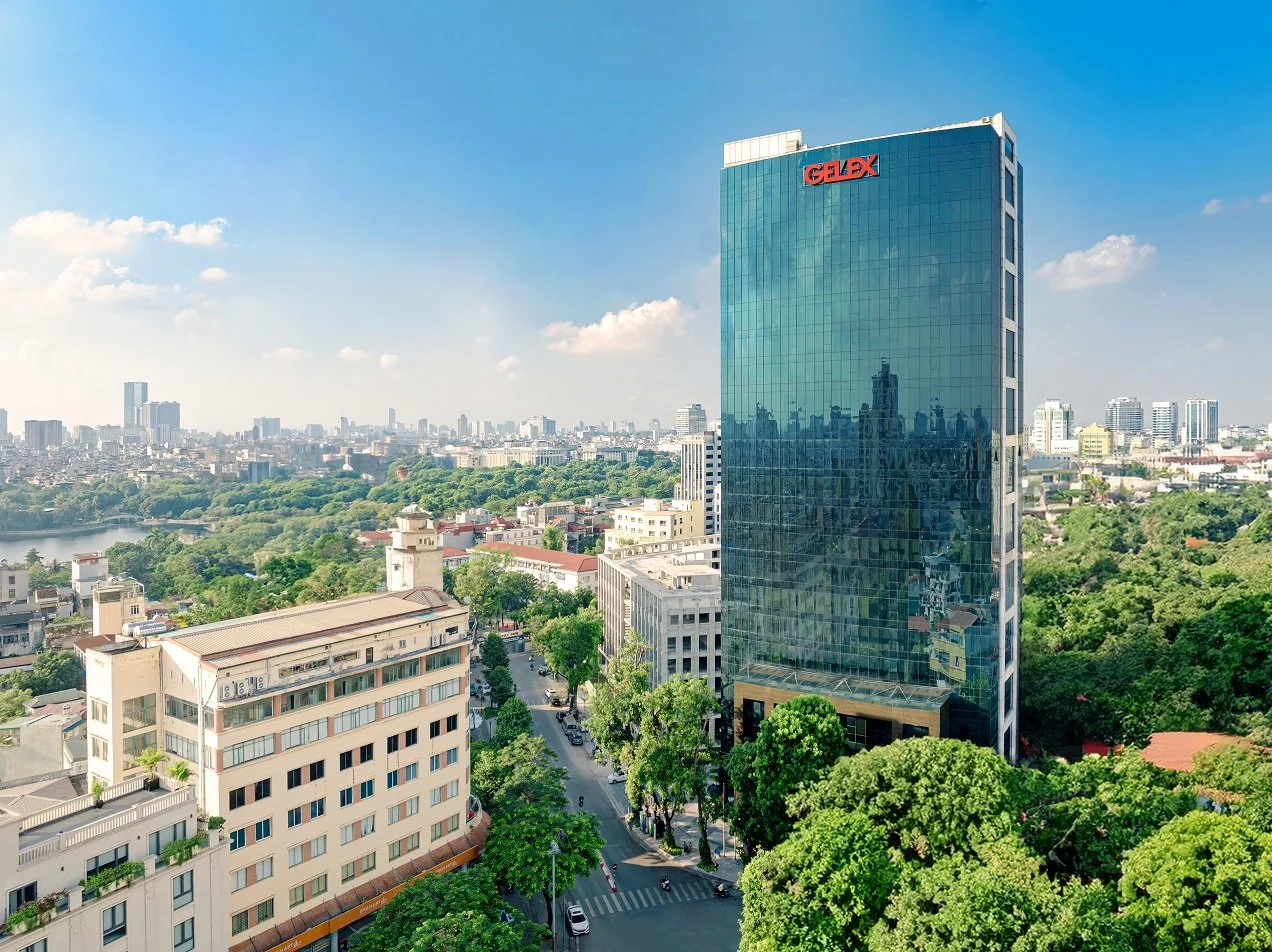
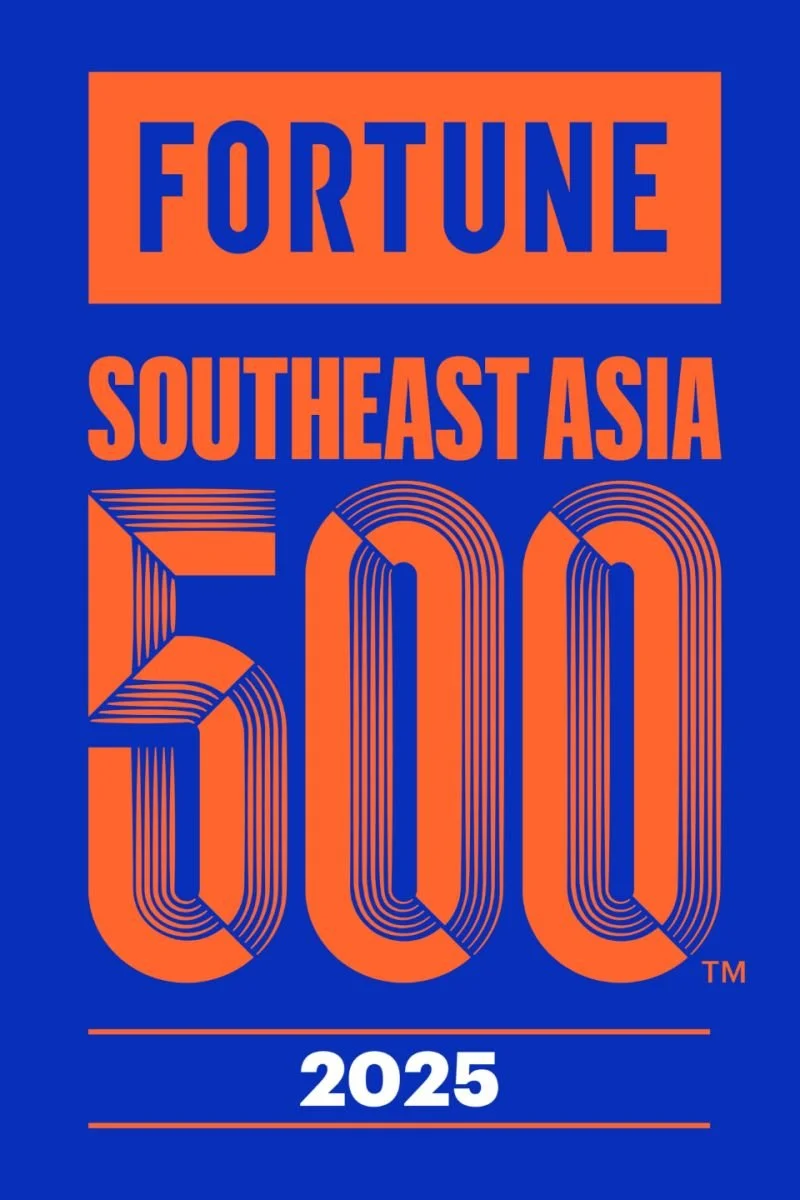
GELEX ranked #217 in Fortune Southeast Asia 500
Scale and Structural Shift
By the end of 2025, GELEX reported consolidated revenue of approximately VND 39.5 trillion, up more than 17% year-on-year. Pre-tax profit reached roughly VND 4.6 trillion, a record level. Total assets expanded to around VND 73.5 trillion.
Over roughly a decade, revenue and asset scale increased nearly sixfold.
The composition of the business also changed. Electrical equipment continues to generate a majority of revenue, while infrastructure and industrial parks extend earnings visibility and duration.
Expansion was accompanied by portfolio refinement. Logistics investments were divested after limited strategic alignment. Renewable energy assets were transferred to Sembcorp between 2023 and 2024, crystallizing gains and streamlining the balance sheet. Key pillars, GELEX Electric and GELEX Infrastructure, were gradually brought to market through listings, increasing transparency and capital flexibility.
These steps suggest a transition from asset accumulation toward more deliberate capital structuring.
Capital Markets as Enabler
During key restructuring phases, VIX Securities appeared as an active proprietary investor within the broader ecosystem, supporting liquidity and transaction execution. While not formally an investment bank in the traditional sense, its participation reflected a familiarity with capital markets as a strategic tool.
That familiarity aligns with the background of the group’s leadership, which includes early experience in Vietnam’s securities sector. In emerging markets, where capital markets remain relatively young, this fluency can provide flexibility during periods of consolidation and transition.
At the same time, the next stage of development typically demands something different: not simply access to capital, but disciplined allocation of it across cycles.

The Two Phases of Conglomerate Development
GELEX’s trajectory can be understood as part of a broader pattern seen in industrializing economies.
The first phase is accumulation, consolidating assets, expanding scale, building a holding structure, establishing strategic control over key sectors.
The second phase is optimization, clarifying capital allocation frameworks, refining governance structures, improving return on invested capital, and strengthening resilience through credit cycles.
Many of Asia’s most durable conglomerates, including Reliance Industries and CK Hutchison, successfully navigated this transition over time. Their maturation was less about expansion and more about institutionalization.
GELEX appears to be approaching that second phase.
Ownership remains relatively concentrated, which has enabled decisive restructuring. As asset size grows and business complexity increases, governance systems and risk management frameworks inevitably become more central to long-term performance.

GELEX has outlined ambitions of reaching approximately $5 billion in market capitalization by 2030, alongside meaningful profit expansion.
Achieving this will depend on multiple drivers: continued industrial park demand, sustained FDI inflows, operational performance in manufacturing, disciplined asset rotation, and prudent leverage management.
Each driver is interlinked with broader macro conditions, global trade patterns, regional geopolitics, capital availability, and domestic credit cycles.
The market, therefore, will likely focus less on headline targets and more on structural quality:
How durable are operating cash flows across economic cycles?
How balanced is leverage relative to asset duration?
How effectively is capital recycled into higher-return opportunities?
How robust are governance systems as scale increases?
These questions are not unique to GELEX. They are inherent to the evolution of Vietnam’s private sector as it moves from entrepreneurial expansion toward institutional maturity.
A Broader Reflection on Vietnamese Capital
GELEX reflects a broader transformation underway in Vietnam.
Private conglomerates are no longer defined solely by consumer expansion or real estate cycles. Increasingly, they are positioning themselves at the backbone of industrial development and infrastructure modernization.
The next decade will determine whether this generation of industrial holdings can translate scale into durable institutional strength.
If they can, Vietnam’s private sector will enter a new phase, one characterized not only by growth, but by resilience.
GELEX is among the groups now operating at that threshold.
Vietnamese private capital has already proven it can scale. The harder test, and the quieter one, is whether it can build institutions that endure when growth slows.
— Vietnam Vanguard
3rd March 2026