
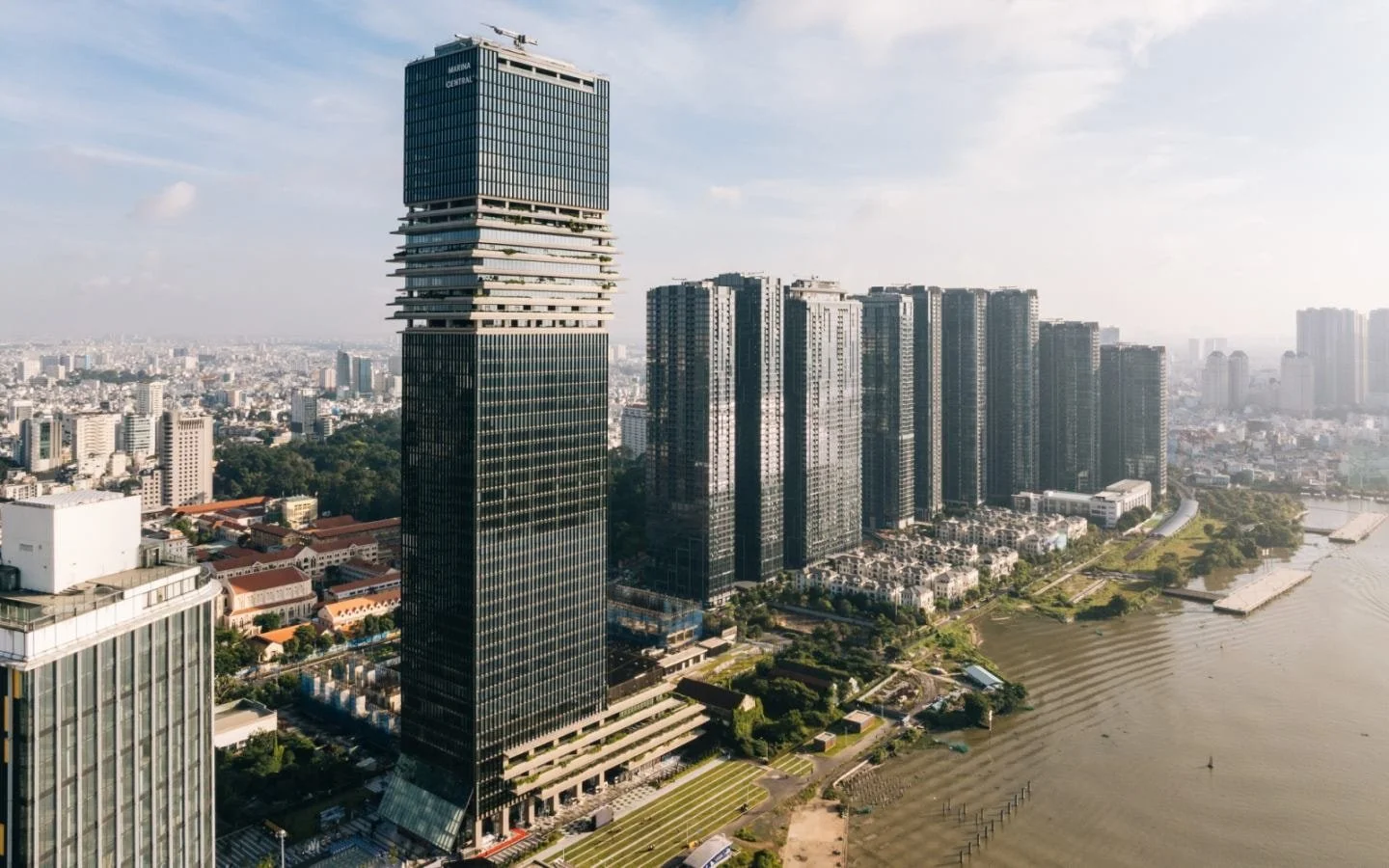
Vietnam's International Financial Centre: What Global Capital Will Test Next
Vietnam has formally launched its International Financial Centre. Market reaction so far suggests that credibility will determine whether global capital follows.
— Vanguard Editorial Board
December 24th 2025
_____________________
Editor’s Note
This editorial examines how international capital markets typically respond in the early stages of building an international financial center. It draws on conversations with global asset managers, bankers, and institutional investors active across Asia, and on the documented experience of established centers. The analysis is comparative and structural in nature. It is written in support of Vietnam's ambition, with a focus on the execution questions every late-entrant financial centre has had to answer.
_____________________
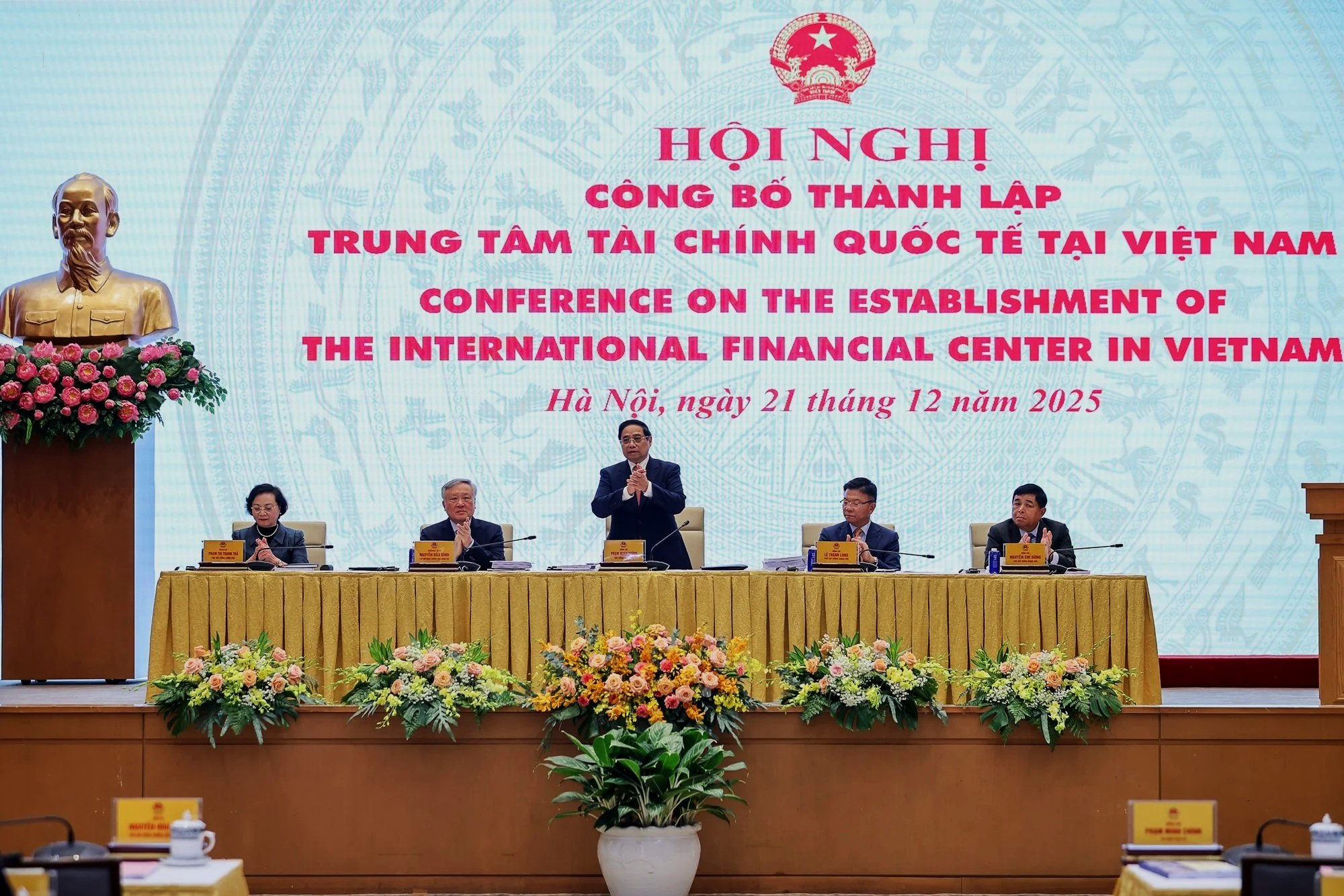
On the morning of December 21, 2025, the Vietnamese government formally announced the establishment of its International Financial Centre. The decision, months in preparation, was a political milestone — a clear signal of intent to deepen Vietnam's financial integration, and one that drew broadly positive domestic response.
Markets, however, operate on a different clock.
The launch moved the conversation from policy intent to institutional execution. For global institutions, the next stage will be measured not in immediate capital commitments but in how the new framework operates in practice — and this is true of every financial centre at inception, not Vietnam's alone.
International interest is real, but it is patient. When the Centre received in-principle approval earlier in the year, global investors took notice. Most are now watching closely, waiting for the operational picture to fill in before committing.
Jason Hoang, CEO of Investream, is among those watching. Having recently returned to Ho Chi Minh City after more than a decade abroad, his fund is headquartered in Singapore, he worked directly with officials and specialists from the Da Nang People's Committee during early preparations for the Centre. Vietnam has changed rapidly and deserves credit, he says. What investors are now waiting for is the operational detail that lets them plan: the shape of licensing, capital movement, and day-to-day procedure.
In his view, a genuine international financial centre rests on four basic conditions: easy to enter, easy to live, easy to work, and easy to exit capital.
"I emphasize the word easy deliberately," he said. "Investors evaluate countries through experience. Easy entry is visas and immigration. Easy living is safety and amenities. Easy working is digital infrastructure and procedures. And most important of all is easy exit."
For the global asset managers and international banks capable of deploying billions of dollars, the decisive factor is the operating experience itself. That is where the Centre's success will be built.
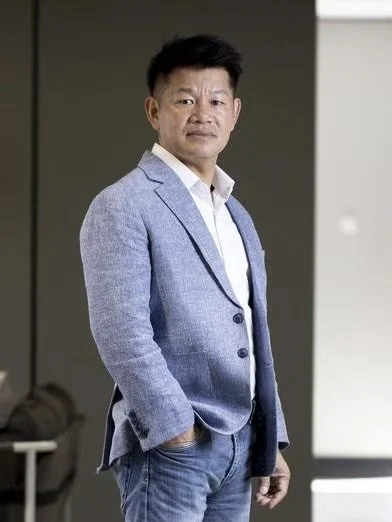
“I emphasize the word easy deliberately. Investors evaluate countries through experience. Easy entry is visas and immigration. Easy living is safety and amenities. Easy working is digital infrastructure and procedures. And most important of all is easy exit.”
— Jason Hoang, CEO of Investream
Still a capital problem
Vietnam's demand for capital over the remainder of this decade will be enormous. Estimates suggest that sustaining growth approaching 10% through 2026–2030 will require between USD 1.4 and 1.5 trillion in investment — put differently, five to six dollars of capital for every dollar of growth.
Domestic savings alone cannot bridge that gap. Institutional conditions capable of absorbing long-duration international capital are essential — and this is precisely the problem the Centre is designed to solve: a platform to attract long-term, globally mobile capital through rules aligned with international standards.
The proposition is sound. The experience of other centers shows what realizing it requires.
Babak Dastmaltschi, former head of wealth management at Credit Suisse and UBS, spent more than two decades managing capital for ultra-high-net-worth clients at Swiss banks. In his assessment, the fundamentals matter more than incentives.
"Political stability is necessary, but it has never been sufficient," he said. "Investors need a predictable legal system, contracts that are enforced to the end, and assurance that capital will not be trapped by unexpected barriers midway through an investment."
The most successful centres, he argues, functioned as carefully controlled experimental zones — spaces where higher standards of international arbitration and capital mobility could be tested in practice before being judged. Markets, he notes, reward centres whose stated authority matches their operating reality.
Hoang shares this assessment. For him, the Centre represents a considered test of how far Vietnam can calibrate capital mobility and delegated authority in exchange for global capital.
"Markets don't demand perfection," he said. "But they respond strongly to clarity."
The details investors are now watching — foreign-exchange mechanisms, the degree of capital mobility, dispute-resolution processes, and the scope of the Centre's operational authority — are the same details every successful centre had to specify early. Vietnam has the advantage of knowing this in advance.
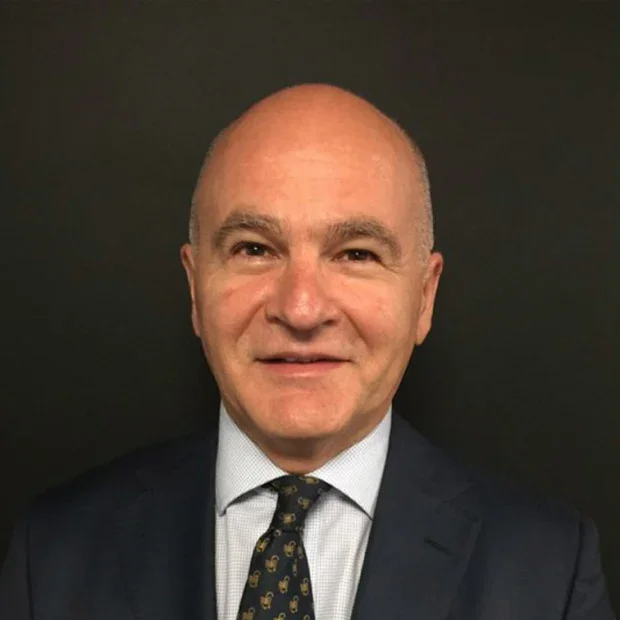
"Political stability is necessary, but it has never been sufficient. Investors need a predictable legal system, contracts that are enforced to the end, and assurance that capital will not be trapped by unexpected barriers midway through an investment."
—Babak Dastmaltschi, former head of wealth management at Credit Suisse and UBS
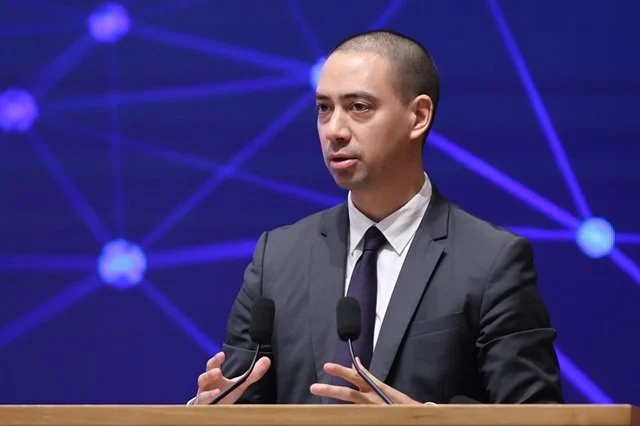
Arnaud Ginolin, Managing Director & Partner— BCG Vietnam
_________________
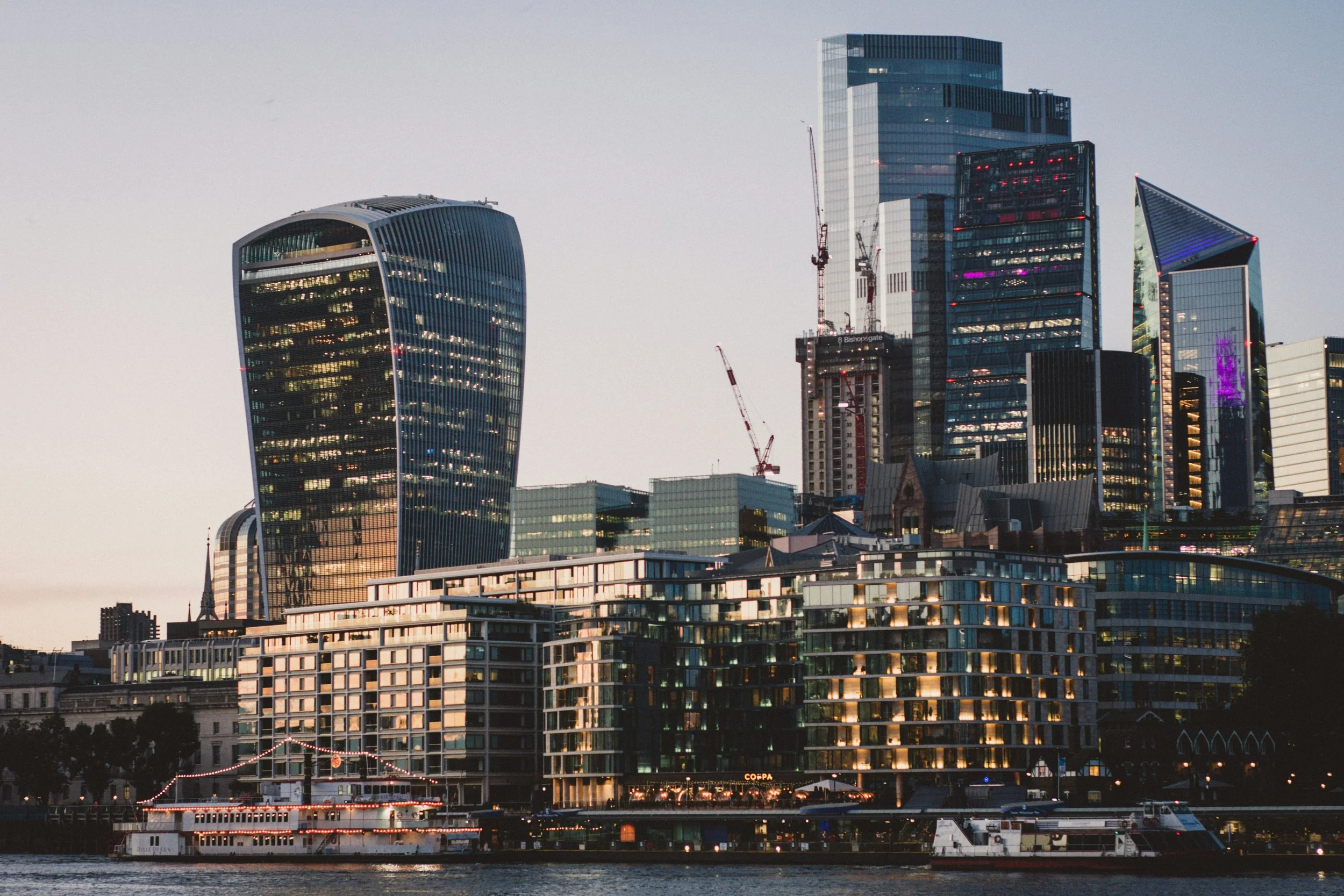
Three benchmark international financial centres: Dubai, Singapore, and Hong Kong. Their common denominator was not scale or geopolitics, but institutional design from the outset. All operate under English common law, aligned with global financial standards, and function as legal enclaves with a high degree of autonomy, including independent courts — a foundation critical to international investor confidence.
_________________
Three cities, one kind of foundation
When discussing what makes a legal system predictable and contracts enforceable, Arnaud Ginolin, head of Boston Consulting Group in Vietnam, points to three benchmarks: Dubai, Singapore, and Hong Kong.
Each developed along a different path. Dubai tied its centre to commodities trading and regional logistics, building a dedicated jurisdiction with internationally aligned commercial dispute resolution. Singapore built around asset management and capital intermediation, with assets under management now estimated at roughly USD 5 trillion. Hong Kong established itself as the capital-markets gateway between Mainland China and the world.
Their common denominator was not scale or geopolitics but institutional design from the outset: commercial rules aligned with global financial standards, and dispute-resolution mechanisms that international investors recognized and trusted.
Different models distribute authority differently, Ginolin notes, and each carries trade-offs between control and attractiveness to global capital. The design choice is consequential — which is why the world's successful centres made it deliberately, at the start.
Vietnam is far from alone in this ambition. International financial centres are built over decades, and competition among them has intensified. Dozens of centres exist worldwide; the ones that achieved international standing did so through institutional credibility and sustained execution.
The patience required of late entrants
The trajectories of London, New York, Singapore, Hong Kong, and Dubai follow a broadly consistent pattern: from domestically focused systems, to early-stage centres with limited foreign participation, to regional hubs — and, in rare cases, to global centres where capital moves freely and assets are priced internationally.
Vietnam's centre stands at the beginning of that journey, as every centre once did.
Most successful centres needed decades to establish their position. In practice, only New York and London are widely regarded as true global financial centres; Hong Kong and Singapore follow as powerful regional hubs with global reach.
"The places that succeeded all started narrow — but executed relentlessly," Ginolin observed. "The difference lies less in ambition than in choosing the right focus and pursuing it consistently."
The strategic question for Vietnam is therefore one of focus: which comparative advantage to build the Centre around, and how to sequence its development. That question is still being answered — and answering it well matters more than answering it quickly.
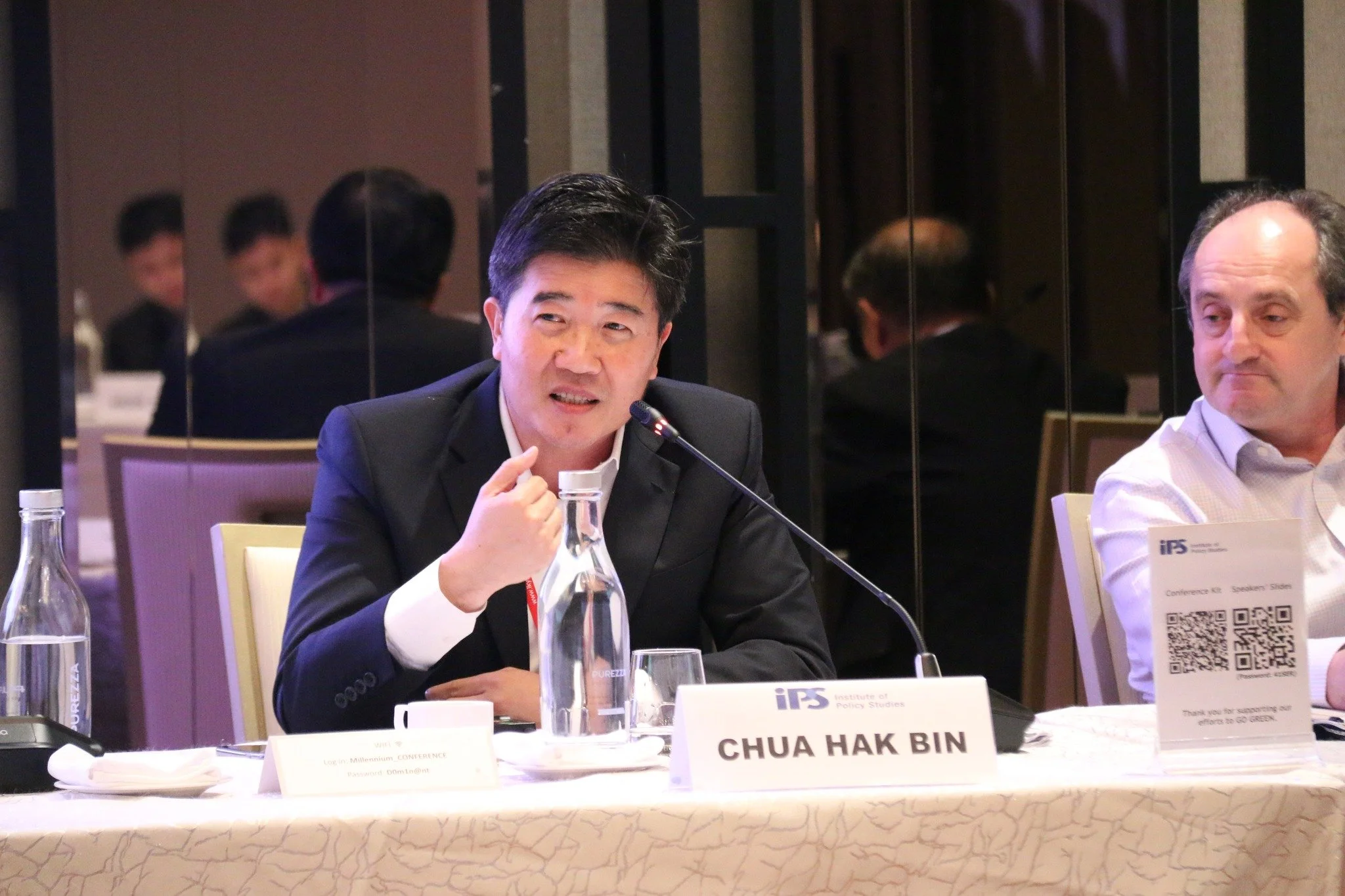
Chua Hak Bin, chief economist for ASEAN at Maybank Kim Eng, has made a similar point about time horizons.
"Building an international financial centre is not a short-term exercise," he has argued. "It is a multi-decade journey. In the early phase, a geographically limited and functionally specialized model is both more realistic and more credible."
“Building an international financial centre is not a short-term exercise. It is a multi-decade journey. In the early phase, a geographically limited and functionally specialized model is both more realistic and more credible.”
— Chua Hak Bin, Chief Economist for ASEAN at Maybank Kim Eng
_________________________
Toward the necessary conditions
Over the long term, the international experience suggests any centre must move toward greater currency convertibility within its designated zone for international financial activity to take root at scale.
For an economy that rightly prioritizes macroeconomic stability, this is a genuine balancing act, and it is exactly the balance the Centre's zoned, experimental structure is designed to manage: testing greater openness within a defined perimeter before wider application. The approach mirrors how other economies in the region sequenced their own liberalization.
The international experience also carries a consistent lesson: clarity, established early, compounds. Centers that specified their rules precisely at the outset found course-corrections easier; ambiguity, left to linger, proved costly everywhere it appeared.
Ali Ijaz Ahmed, chairman of Makara Capital, has spent years channelling capital from Singapore and the Middle East into Southeast Asia. The decisive factors, he argues, are institutional rather than physical.
"An international financial centre is not about buildings," he said. "It's about protecting capital, safeguarding intellectual property, and, above all, protecting trust."
He points to an opportunity: many Vietnamese startups currently structure intellectual-property ownership offshore to attract foreign investment, meaning value created domestically is recorded elsewhere. A centre that gives founders and investors confidence to keep that ownership onshore would capture knowledge-based value for the economy, one of the clearest prizes available to the project.
The final measure
When can Vietnam be said to have succeeded — when new policies are issued, or when capital stays, operates, and compounds within the system?
Hoang believes the clearest signal will be whether Vietnam can attract a globally significant anchor institution willing to commit real capital.
"A major international institution prepared to place a genuine bet on Vietnam would serve as a trust anchor for the broader ecosystem," he said. "Capital doesn't follow master plans. It follows credible leaders."
Chua shares this view. Every successful international financial centre, he has argued, ultimately required a "mother ship" — a large foreign financial institution willing to commit early and at scale, drawing talent, investors, and ancillary services in its wake.
"In manufacturing, Samsung played that role," Chua has noted. "In finance, Singapore's private banking ambitions took a decisive step forward when UBS established its Asian headquarters there."
Such commitments follow trust in the institutional environment. Investors must be comfortable with the legal and regulatory regime under which the Centre operates — and new dispute-resolution mechanisms, Chua adds, build credibility as they are tested and proven in practice.
The announcement marks a political milestone. Turning it into a financial one is a matter of execution — of operationalizing authority, managing policy risk, and upholding rules that remain predictable over time. These are demanding tasks, and they are the same tasks every successful centre before Vietnam has had to master.
In finance, ideas are plentiful. What is scarce is commitment strong enough for markets to place real money behind it. Vietnam has made the political commitment. The opportunity now is to match it with the institutional clarity that turns commitment into capital.
____________________________
— Vanguard Editorial Board
December 24th 2025
___________________
A major international institution prepared to place a genuine bet on Vietnam would serve as a trust anchor for the broader ecosystem. Capital doesn’t follow master plans. It follows credible leaders.
___________________
Chua Hak Bin, chief economist for ASEAN at Maybank Kim Eng